Liner note
Odd Sounds in Pop: Identifying Unconventional Instruments

I learned this kind of listening in the most unglamorous way possible: on my childhood bedroom floor, unfolding CD liner notes like they were sacred texts. I would hear a sound I could not name, squint at the credits, and suddenly the mystery had a shape: Mellotron. Clavinet. Celesta. Once you attach a name to a sound, you start hearing it everywhere.
This is a focused listening guide for that exact moment: when something in a mainstream pop or rock track feels slightly alien, like a ghost in the mix. We are going to pinpoint the most common "what is that sound?" instruments that sneak into classic hits and learn the fastest ways to recognize them by ear.

How to listen like a detective
When an unusual instrument is tucked into a hit song, it is often mixed to feel like texture, not a solo. So instead of listening for melody, listen for behavior.
- Attack: does the note start as a pluck, a bow scrape, a breath, or a smooth swell?
- Sustain: does it hold steady, wobble, decay quickly, or bloom after the start?
- Pitch movement: is there natural vibrato, a slide, or a perfectly straight pitch?
- Harmonics: is it bright and metallic, woody, reedy, or glassy?
- Placement: is it dead center (lead) or panned like a shimmer on one side?
A trick I love: take one section, maybe the second verse, and listen three times. First for drums only. Then bass only. Then for the highest thing you can hear. Those highest elements are where a lot of oddball magic hides.
Three iconic oddities: theremin, Mellotron, sitar
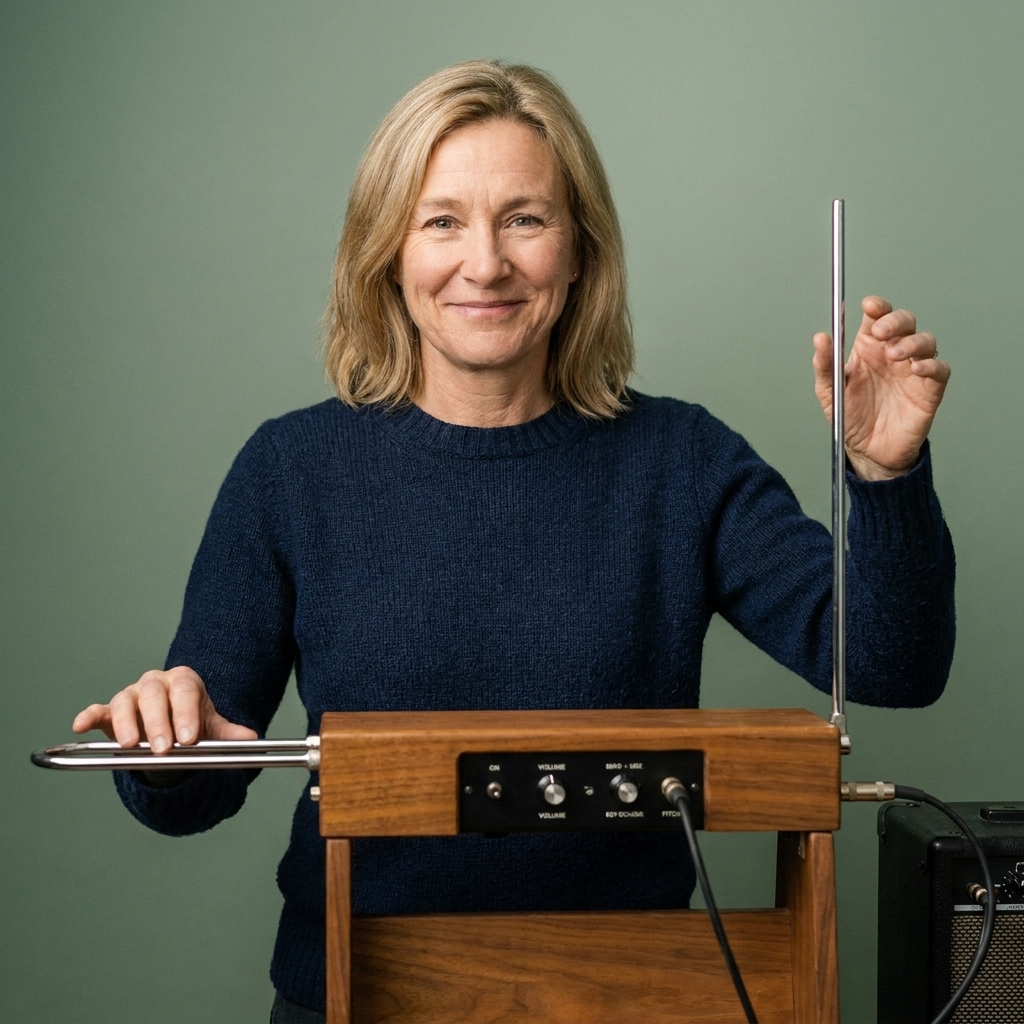
Theremin: the human voice, if it were made of air
What it sounds like: a pure, sliding tone with a nervous little wobble, like a sci-fi ghost singing without consonants. It often glides between notes rather than stepping cleanly.
Giveaways in the mix:
- No pick noise, no breath, no bow scratch. Just tone.
- Lots of portamento (smooth sliding) and vibrato.
- Often used as a hook, or as a spooky halo behind the hook.
Common confusion: a theremin is frequently mistaken for a synthesizer lead. If it feels too eerily human and slippery, that is your clue.
Classic reference points: The Beach Boys' "Good Vibrations" is the famous one, although the lead line was played by Paul Tanner on an Electro-Theremin (also called the Tannerin), not a traditional theremin. Same uncanny vibe, same "what is that sound?" effect. For a later pop echo of that wobble, listen to the theremin-like line in Portishead's "Mysterons."
Mellotron: tape ghosts pretending to be strings and choirs
What it sounds like: strings or choir that feel slightly foggy, a little lumpy around the edges, like an old photograph that has faded in one corner.
Why it is distinctive: the Mellotron plays recorded tape strips for each key. That means the sound has a real-world source, but it carries mechanical quirks.
Giveaways in the mix:
- A gentle wobble that does not quite match normal string vibrato.
- A faint grain or flutter, like the sound is breathing through paper.
- Notes can feel like they have a ceiling, with a slightly pinched decay that hints at the tape running out.
Common confusion: real strings or modern string pads. With Mellotron, the tell is usually the tape character: a papery attack, a slightly unstable pitch, and that lightly haunted, mechanical steadiness.
Classic reference points: The Beatles used Mellotron famously on "Strawberry Fields Forever" for that opening flute-like texture. You can also hear Mellotron mood-painting all over King Crimson's "Epitaph."
Sitar: a bright twang with a shimmering tail
What it sounds like: a crisp, nasal pluck with sympathetic strings that ring along underneath, creating a halo of resonance.
Giveaways in the mix:
- The initial note is sharp and percussive.
- There is a distinct, buzzing shimmer afterward.
- Melodies often lean on bends and ornaments that feel conversational.
Common confusion: a bright acoustic guitar with lots of reverb. The sitar tends to have a more metallic, buzzing sustain that keeps talking after the pluck.
Classic reference points: The Rolling Stones' "Paint It, Black" is the quick ID lesson. If you want the satiny, psychedelic version, try The Beatles' "Within You Without You."
Other odd-but-common instruments
Harpsichord: the fancy keyboard with limited volume control
What it sounds like: a bright, plucked keyboard tone. It has sparkle, but very limited dynamic range compared with piano. Every note arrives with a crisp little click, then decays quickly.
Where it hides: intros, baroque-pop choruses, and anywhere an artist wants instant old-world drama without a full orchestra.
Classic reference points: The Beatles' "In My Life" (that fast, elegant keyboard solo) is the famous one, even though it is a piano recording sped up to mimic a harpsichord. For a straight-up harpsichord-forward pop moment, hear The Left Banke's "Walk Away Renée."
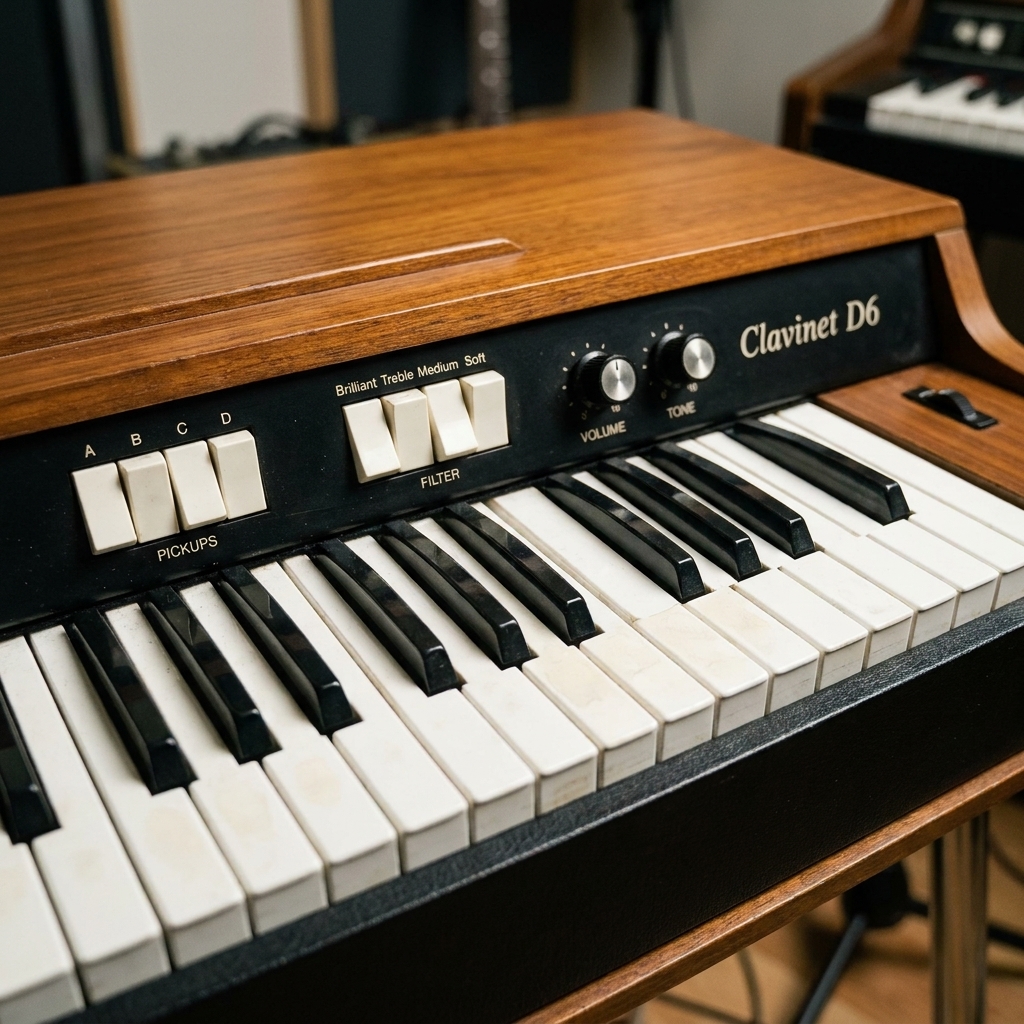
Clavinet: the funk guitar you can play on keys
What it sounds like: tight, rubbery, percussive, and very rhythmic. If a keyboard part makes you instinctively want to chop your hand like a guitarist, it might be clavinet.
Common confusion: muted electric guitar. The clavinet often sits in the same frequency range and does the same kind of chanking rhythm work.
Classic reference points: Stevie Wonder's "Superstition" is clavinet as a whole personality, not just a part.
Celesta and glockenspiel: bell tones with different personalities
Celesta: soft, round, music-box bell tone. It is bells with a pillow under them.
Glockenspiel: brighter and more piercing, like tiny metal bars struck with a hard mallet.
Fast test: if it feels like sparkle that still has warmth, celesta. If it cuts through the whole band like starlight, glockenspiel.
Classic reference points: The Beatles' "Baby It's You" gives you a bright glockenspiel line you can grab immediately. For glockenspiel used as indie-pop glitter, try The Postal Service's "Such Great Heights."
Talk box: the guitar that suddenly starts pronouncing vowels
What it sounds like: a guitar or synth tone shaped into speech-like syllables: wah-wah, yeah-yeah, ooh-ooh. It is not exactly singing, but it is definitely talking.
Common confusion: vocoder or Auto-Tune harmonies. A vocoder usually sounds more robotic and chordal. A talk box feels like one lead line making mouth shapes.
Classic reference points: Peter Frampton's "Do You Feel Like We Do" is the textbook. For a sleek, radio-sized version, listen to Daft Punk's "Something About Us" (talk box by DJ Falcon).
Pedal steel: crying chrome in slow motion
What it sounds like: smooth slides, glassy sustain, and bends that feel emotional even when the part is simple. It is the sound of a note reaching for another note.
Where it hides: not just country. Plenty of pop ballads and indie-rock slow-burners use pedal steel as emotional glue behind the vocal.
Classic reference points: The Eagles' "Lyin' Eyes" is a clean way to learn the instrument's gentle weep. For pedal steel in a rock context, hear Pink Floyd's "High Hopes."
Kalimba: thumb piano sparkle
What it sounds like: a gentle plink-plink with a woody resonance, like raindrops hitting something hollow.
Where it hides: modern pop, acoustic-adjacent tracks, and anywhere an arrangement wants an intimate, hand-played shimmer.
Classic reference points: The kalimba hook in Fleetwood Mac's "Gypsy" is a quietly perfect example: small sound, huge mood.
Two more that fool people constantly
String machine (Solina-style): a silky, glossy "strings" pad that feels smoother and more synthetic than Mellotron. It tends to sit like a soft neon ribbon behind the vocal.
Harmonium: a reedy, wheezing sustain that feels like an organ's smaller, more intimate cousin. It often makes a room feel close, like you can hear the wood and air in it.
Quick ID chart
| If the sound feels like... | Most likely suspect | Listen for... |
|---|---|---|
| A spooky voice sliding between notes | Theremin or Electro-Theremin | Continuous pitch glides, no pick or breath noise |
| A choir or strings that feel slightly unreal | Mellotron | Grainy texture, gentle tape wobble, papery attack |
| A bright twang with buzzing shimmer afterward | Sitar | Metallic resonance, sympathetic ringing |
| A crisp, fancy keyboard with limited swell | Harpsichord (or a harpsichord imitation) | Plucked click at the start, quick decay |
| A rhythmic keyboard that acts like a funk guitar | Clavinet | Per-note bite, tight choppy groove |
| Music-box bells | Celesta | Soft rounded bell tone |
| Sharp, bright bells that cut through everything | Glockenspiel | Harder attack, more piercing highs |
| A guitar line forming vowel sounds | Talk box | Speech-like syllables on a single lead line |
| Long slides that feel like sighing | Pedal steel | Glissandos, expressive bends, glossy sustain |
| Tiny plucked chimes with a woody body | Kalimba | Soft percussive plinks with resonance |
Use song structure to find the hidden moment
One of my favorite low-tech tricks is using the song structure to narrow where producers like to sneak in ear candy. Unconventional instruments often arrive at one of three moments:
- The second verse: to keep the story moving without changing the chords.
- The pre-chorus: to build tension with a new texture.
- The bridge: the new room where anything can show up.
If you want a refresher on where those sections tend to hide the best details, I broke it down in Verse, Chorus, Bridge: Where the Story Hides. Once you know where to look, you start hearing arrangement decisions as part of the narrative.
When the instrument is not the instrument
Sometimes the odd sound is not a rare instrument at all. It is a regular instrument wearing a costume.
- Electric guitar made to mimic sitar: players can chase the sitar vibe with certain bridges, buzzing setups, and playing techniques. If it has sitar attitude but a more familiar guitar body, you might be hearing a sitar guitar or a treated electric.
- Strings that are actually keyboards: Mellotron, string machines, and modern sample libraries can all produce convincing string pads. The giveaway is usually the texture and the way the sound sustains.
- Ghost tones that are just reverb: a short percussive sound can create a whole new "instrument" once reverb and delay smear it into a shimmer.
If you are the kind of listener who loves catching these little production swaps, you will probably enjoy B-Sides and Demos: Watching Lyrics Get Edited. Demos often reveal what was added later to create that final, cinematic polish.
Build your ear in 10 minutes
- Pick one song you know by heart. Familiarity frees your attention.
- Listen once at low volume. Background textures pop out when the vocal is not overpowering you.
- Listen again and focus on just the high frequencies. Bells, harpsichord, shimmer strings, and odd percussion live up there.
- Then focus on the midrange. This is where talk box, clavinet, and many synth leads sit.
- Finally, write one sentence describing the mystery sound without naming it. Example: "A wobbly voice that slides like a siren." That sentence is basically your search key for identification later.
This routine is also a sneaky way to become a better lyric listener, because you stop treating the vocal as the only story. Arrangement is subtext.
FAQ
How can I tell a theremin from a synth?
Listen for gliding pitch that feels almost too human, with vibrato that sounds like a hand shaking a note rather than a programmed vibrato effect. Also, theremin lines often avoid hard-edged attacks, because there is nothing to strike or pluck.
Is Mellotron the same thing as a synthesizer?
No. A Mellotron is an electro-mechanical keyboard that plays tape recordings of real instruments. It can sound synth-like because it is keyboard-triggered, but the tone is usually more organic and imperfect, with that telltale tape character.
Why did sitar show up in so much Western pop?
Partly because it offered instant atmosphere. One sitar line can imply a whole world of color and mood. Producers also loved how it sat above guitars without competing in the same exact sonic space.
What is the fastest way to confirm what I am hearing?
Check the official credits when you can, then trust your ears. If you want a broader approach to close-reading music details, my step-by-step method in Analyze Song Lyrics Like a Literary Critic translates surprisingly well to arrangement listening too: observe, gather evidence, then make the simplest claim that fits the sound.
A final note from my liner-note brain
The best part of learning these instruments is that it changes how you experience familiar songs. A hit you have heard a thousand times can suddenly feel new because you finally notice the little strange thing humming behind the chorus, doing emotional work without asking for credit.
If you end up going down this rabbit hole, browse the Music Trivia guide for more listening detours. I am always chasing that moment when a mystery sound turns into a named character in the song.