Stop asking “did it happen?” and start listening like a critic. Learn how confessional pop fictionalizes life through compression, composites, ambiguity, and...
Liner note
Decoding Artist Alter Egos

Published · Last updated
I still remember the first time I realized a singer could be more than one “I.” I was on my bedroom carpet with a jewel case cracked open, staring at liner notes like they were sacred text, when it hit me: the person singing might not be the person speaking. The voice in the song was a character.
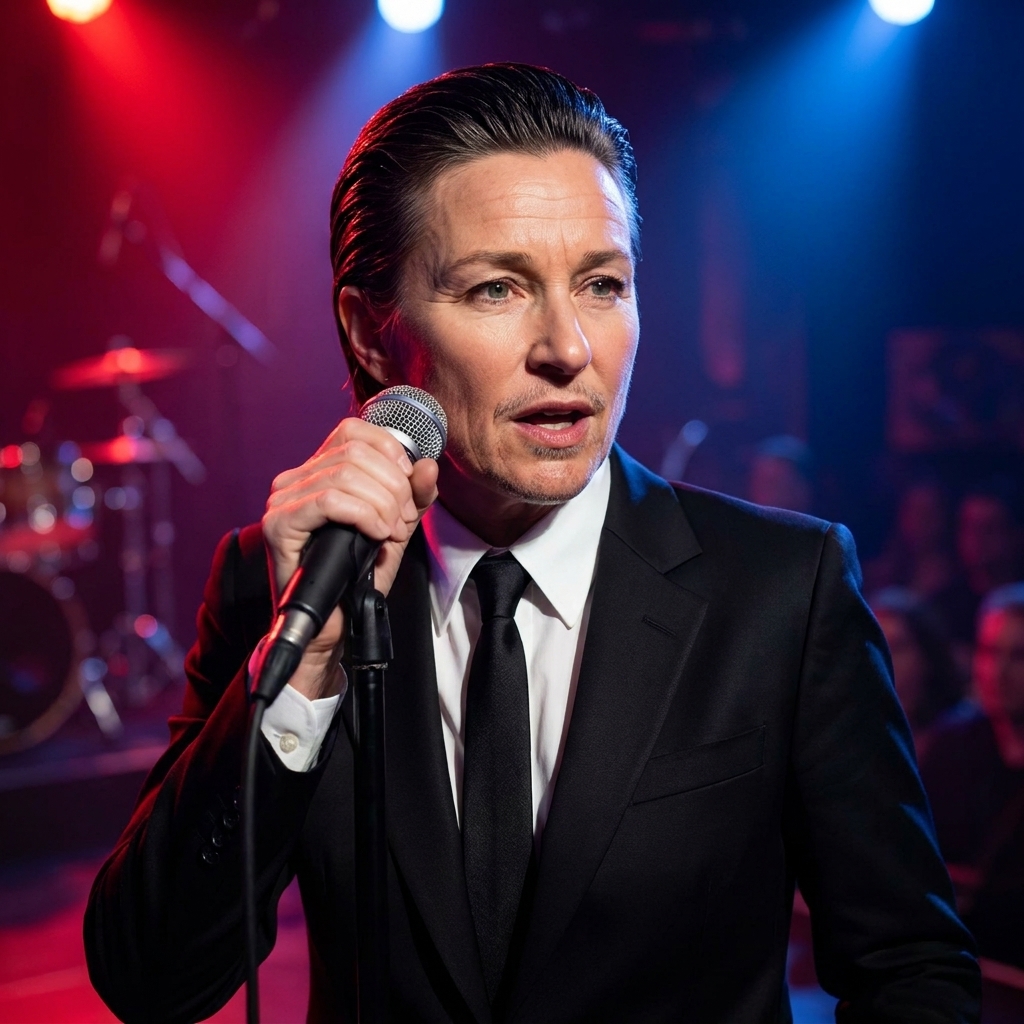
Once you notice it, you hear alter egos everywhere. Sometimes they are loud and theatrical, sometimes they are barely a tilt of the head, a new pronoun, a colder tone. Either way, a lyrical persona changes what the lyrics are allowed to say, and what we are allowed to feel while hearing them.
What an alter ego is, and what it is not
An artist alter ego is a deliberately constructed identity that an artist writes, performs, or speaks through. In lyrics, it is a persona that can have its own worldview, vocabulary, ethics, humor, or emotional temperature.
Two quick clarifications that help keep the listening honest:
- An alter ego is not just a stage name. A stage name can be purely practical. A persona usually comes with a shift in storytelling, attitude, or rules.
- An alter ego is not automatically a lie. It can be a mask, but it can also be a magnifying glass. Sometimes a character tells a deeper truth because it feels safer to confess from behind costume and craft.
One more distinction that saves a lot of arguments: not every song narrator is an alter ego. Some tracks simply use a one-off speaker for that story, the way a short story might. An alter ego tends to be more durable. It repeats across multiple songs, eras, visuals, or interviews, and it builds a recognizable set of “rules” you can listen for.
If you want a vocabulary refresher for terms like persona, narrator, and point of view, our Terms page is a handy bookmark.
Why musicians invent lyrical characters
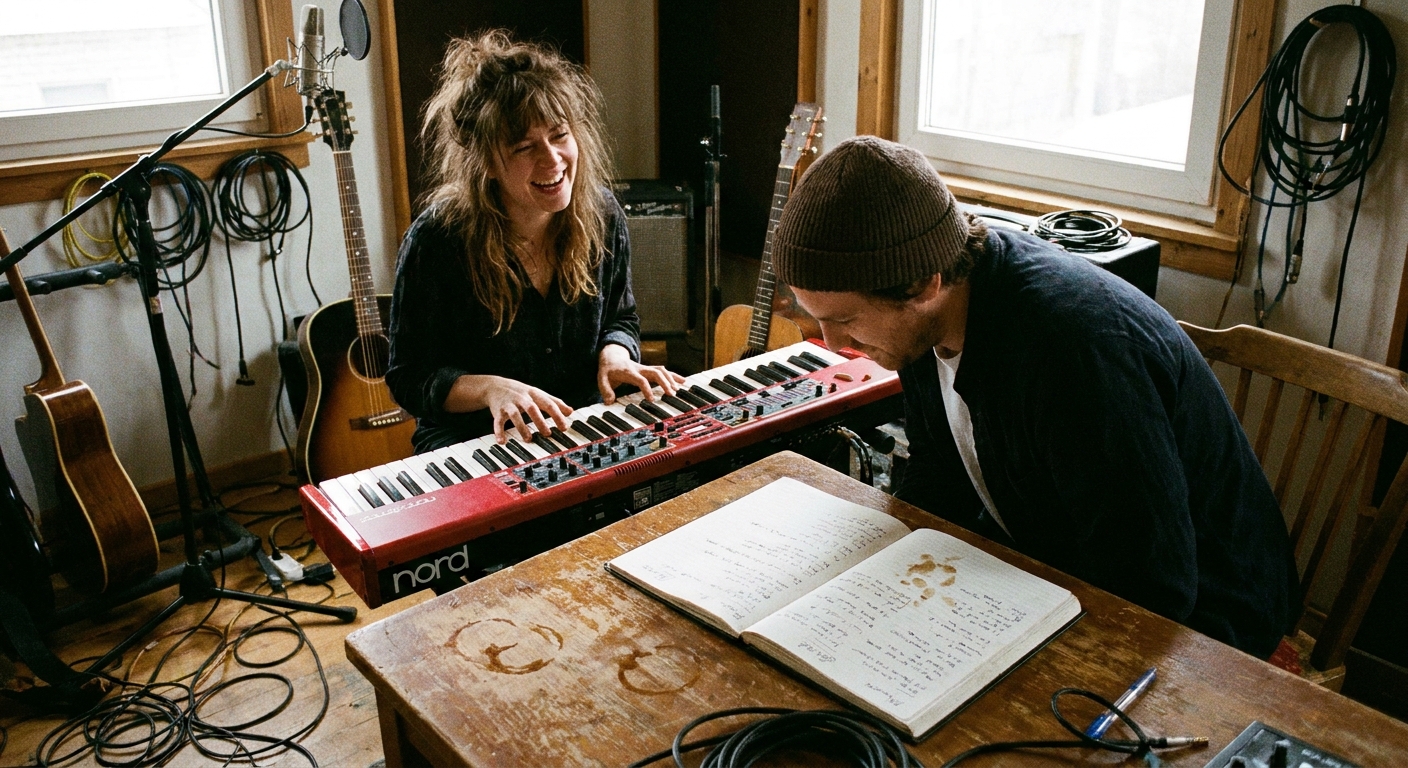
When I talk to everyday songwriters at local acoustic nights, the reason comes up again and again: characters give you permission. Big-name artists do the same thing, just with brighter spotlights.
1) To take emotional risks without self-prosecution
A persona can say the unsayable. Jealousy, cruelty, obsession, boredom, vanity, hunger for power. When the lyric is “I,” we often put the artist on trial. An alter ego creates a buffer that lets the song explore darker rooms without insisting the singer lives there all the time.
2) To experiment with style, voice, and genre
Sometimes the character is a creative container. A new voice can justify a new sound. A different cadence, slang, or lyrical density suddenly makes sense because it belongs to that persona.
3) To build a world that extends beyond one song
Alter egos are great at continuity. They allow callbacks, running symbols, recurring side characters, and long arcs that unfold across albums. If you love tracing that kind of narrative development, you might also enjoy Tracing an Artist’s Evolution Through Lyrical Eras.
4) To protect privacy while still being personal
This is the one listeners sometimes forget. A persona can be a boundary. Artists can write from lived emotion while rearranging the facts, which keeps the work intimate without turning it into a diary read aloud.
5) To challenge how we read “authenticity”
Some musicians use alter egos to poke at our assumptions about what “real” means in music. If the performance is honest in feeling but fictional in detail, is it less authentic, or just more crafted?
That question overlaps with something we explore in Singer-Songwriter vs Vocalist: Listening for Authenticity in Borrowed Lyrics.
How a persona changes the way we listen
Here’s the most practical shift: once you suspect a character, you stop treating every line as a literal biography.
You start listening for point of view, not confession
Instead of asking “Did this happen to them?” you ask “Who is speaking, and what do they want?” It is the same move you make when reading a novel with an unreliable narrator.
You weigh metaphor differently
When a persona is in play, exaggeration is not automatically melodrama. It might be characterization. A villain-leaning persona will use violent imagery more casually. A romantic persona might use impossible promises as a signature, not a contract.
If you want to sharpen your ear for this, Analyze Song Lyrics Like a Literary Critic pairs really well with alter ego listening because it teaches you to track voice, diction, and motive.
You notice the “camera angle” of the lyric
Personas tend to come with a consistent angle: confessional close-up, tabloid wide shot, diary whisper, stand-up comedy spotlight. When the camera angle changes suddenly, that is often a clue that the narrator has changed too.
You treat contradictions as clues, not errors
A character can contradict themselves because people do. If a persona is spiraling, grandstanding, or self-mythologizing, inconsistencies might be the point.
Common types of alter egos (and what they allow)
Not all personas look like face paint and new names. Some are subtle. Here are a few patterns I hear the most, with what each one unlocks lyrically.
- The hyper-confident avatar: Lets the artist explore ego, status, bravado, and desire without apologizing every verse.
- The villain or antihero: Gives room for taboo thoughts, moral ambiguity, and satire. This persona often reveals what society rewards or punishes.
- The wounded narrator: Focuses the listener on emotion over facts. Memory becomes foggy, symbolic, or fragmented on purpose.
- The shapeshifter: A persona that changes masks inside the album. Great for artists who want to critique identity itself.
- The future self or alternate timeline self: Lets the lyric speak from “after,” when consequences are visible, or from a timeline where different choices were made.
Many of these are powered by craft devices like irony, symbolism, and shifting perspective. If you want a quick toolkit, 8 Literary Devices in Pop Music and How to Spot Them is a friendly starting point.
Name the narrator in 6 steps
When a song feels like it is wearing a mask, I run it through this mini check. It takes about a chorus and a verse to get a strong hunch.
- Circle the pronouns. Who is “I”? Who is “you”? Who gets named, if anyone?
- Listen for vocabulary shifts. Does the word choice sound unlike the artist’s usual writing?
- Track values and rules. What does the speaker praise, mock, fear, or excuse?
- Watch for theatrical staging. Are there ad-libs, spoken bits, accents, or tone changes that feel like acting?
- Mark repeated symbols. A persona often has signature props: cars, mirrors, cities, crowns, saints, specific colors.
- Check the bridge. Bridges love to reveal the real agenda of the narrator. If you are a bridge person like me, you will love Verse, Chorus, Bridge: Where the Story Hides.
A worked example you can steal
Here is how those six steps can play out in real time, without quoting any lyrics.
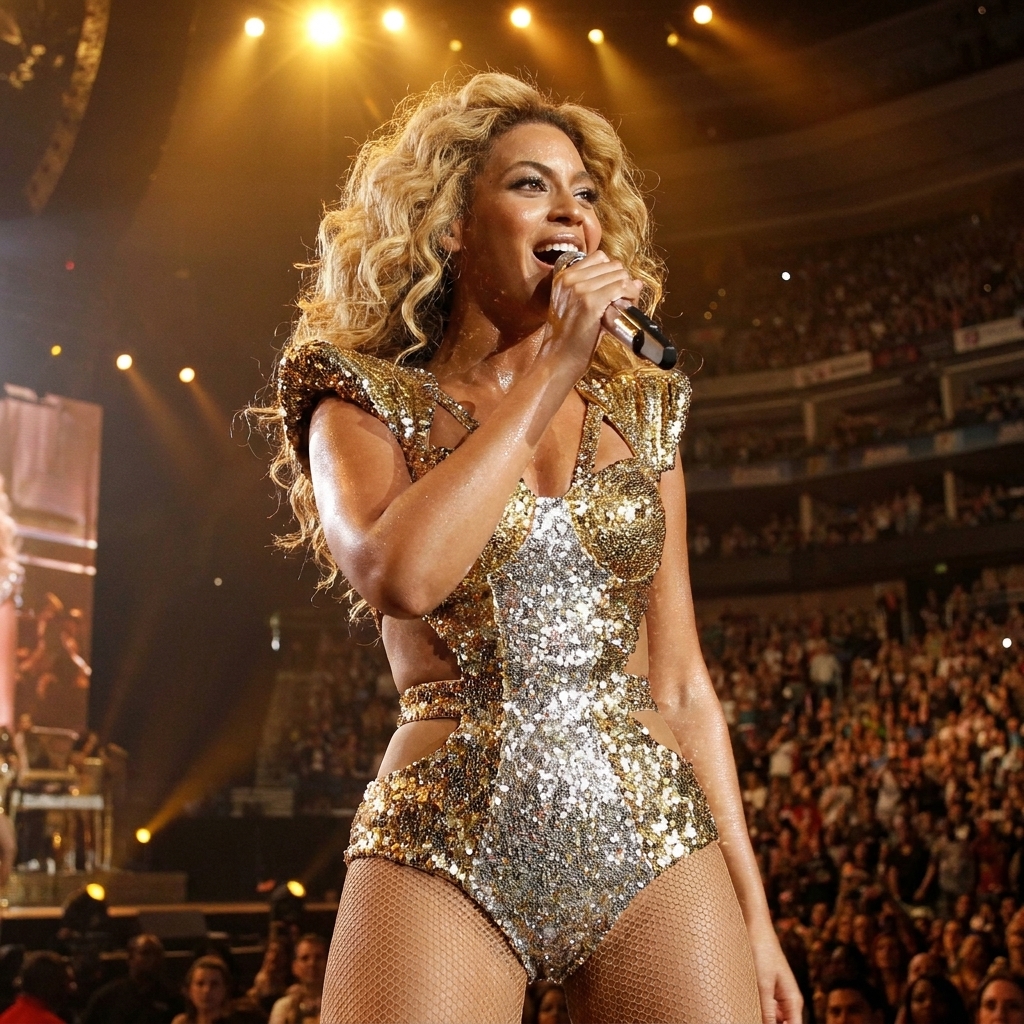
Take a well-known alter ego like Beyonce’s Sasha Fierce. Start with pronouns. The “I” tends to sound like a performer speaking from a spotlight, not a friend texting at 2 a.m. Then listen for values and rules: confidence is not just present, it is rewarded, announced, and framed as a kind of power. Add theatrical staging: bigger vocal choices, bolder flirtation, sharper edges. That combination tells you you are not overhearing a diary. You are watching a character whose job is to embody a mode.
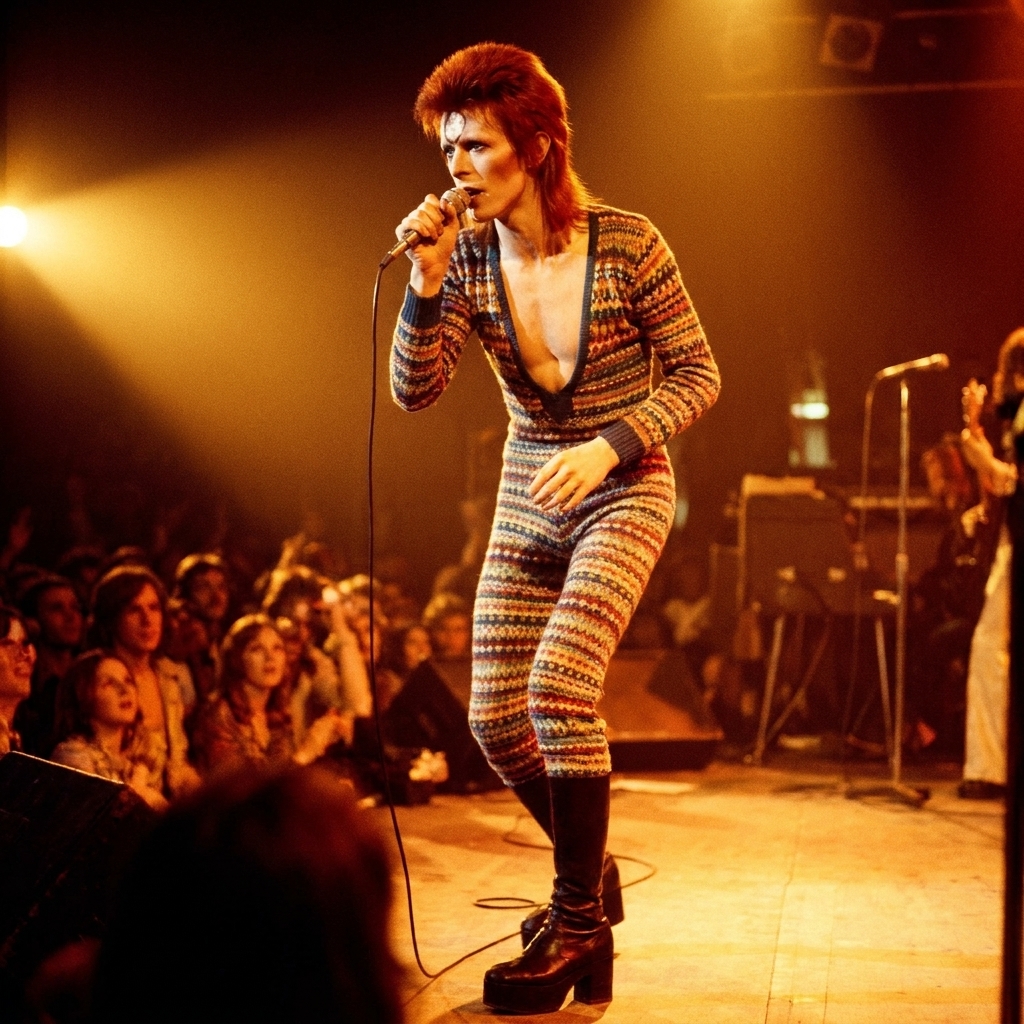
Or take a persona like David Bowie’s Ziggy Stardust. The repeated symbols and world-building do a lot of work. You get a consistent sense of myth, costume, and distance from ordinary life. The song voice feels like it belongs to a story universe with its own physics, which is a classic clue you are hearing an authored character, not a casual self-portrait.
Those cues are available even when an artist never announces “this is my alter ego.” You can hear the mask in the pattern.
Alter egos across genres
You can find lyrical personas in basically every style of music, but the way they function shifts with the genre’s storytelling traditions.
Pop and R&B: the split self
Pop often leans into duality because it is instantly legible: the private self versus the public self, softness versus power, innocence versus experience. A persona becomes a clean way to stage those tensions without flattening the artist into one mood. Sasha Fierce is an easy touchstone here, since the name itself frames the split.
Hip-hop: the mythic avatar
Hip-hop has a long history of stage personas, nicknames, and narrative identities. Sometimes the persona is aspirational, sometimes it is satirical, sometimes it is armor. The key listening move is to ask whether the track is brag, critique, theater, or all three at once.
Rock and glam: the character as spectacle
Rock has long been comfortable with performance as identity, and glam especially likes to treat the self as something you can design. In that lane, alter egos can question gender, fame, desire, and the idea of a “real” self. Ziggy Stardust is the obvious example, where the silhouette and the lyric voice work together.
Indie and folk: the quiet mask
Indie and folk personas often hide in plain sight. Instead of a named character, you get an “I” that is slightly skewed: more naive, more bitter, more comedic, more unhinged. The trick is not to assume intimacy equals autobiography.
The ethics of listening
Alter egos can complicate fandom in a good way, but they can also create real misunderstandings.
- Misreading a character as confession can turn art into evidence. Not every violent image is an intention, and not every cruel line is a diary entry.
- Erasing the craft happens when we only hunt for “what really happened.” Personas are writing tools. That is the point.
- Over-explaining is the other trap. Some artists never confirm the boundaries of their personas. Part of the experience is living in the ambiguity.
If you ever find yourself stuck in an internet debate about what a lyric “really” means, I wrote a calming little guide for that energy: How to Track Down the Original Meanings Behind Debated Lyrics.
FAQ
Is an alter ego the same as a concept album character?
They can overlap, but they are not identical. A concept album character is often confined to a specific story world. An alter ego can spill across albums, interviews, visuals, and touring personas. The difference is scope.
How can I tell if “I” is a persona or the artist?
You cannot always tell with certainty, and that is okay. Look for consistency across multiple songs, repeated motifs, and a stable worldview that feels more like characterization than a one-off mood.
Can one song contain multiple personas?
Absolutely. Duets can do it explicitly, but solo tracks do it too through voice changes, call-and-response writing, and contrasting verses. If the chorus feels like one person and the verses feel like another, you might be hearing a deliberate split.
Does using a persona make lyrics less honest?
Not inherently. A persona can be a way of telling the truth sideways, with more artistry and sometimes more emotional accuracy than a literal retelling.
Try this the next time you listen
Pick a song you love that has always felt a little theatrical or a little too sharp to be casual conversation. Play it once for pleasure. Then play it again and pretend it is a short story.
Name the narrator. Describe them in three adjectives. Ask what they are hiding, and what they are trying to make you believe. When the last chorus hits, you might find the song has been talking in costume the whole time, and somehow it lands even closer to home.
If you want more artist-focused listening like this, our Artists guide is where I keep the deep dives.